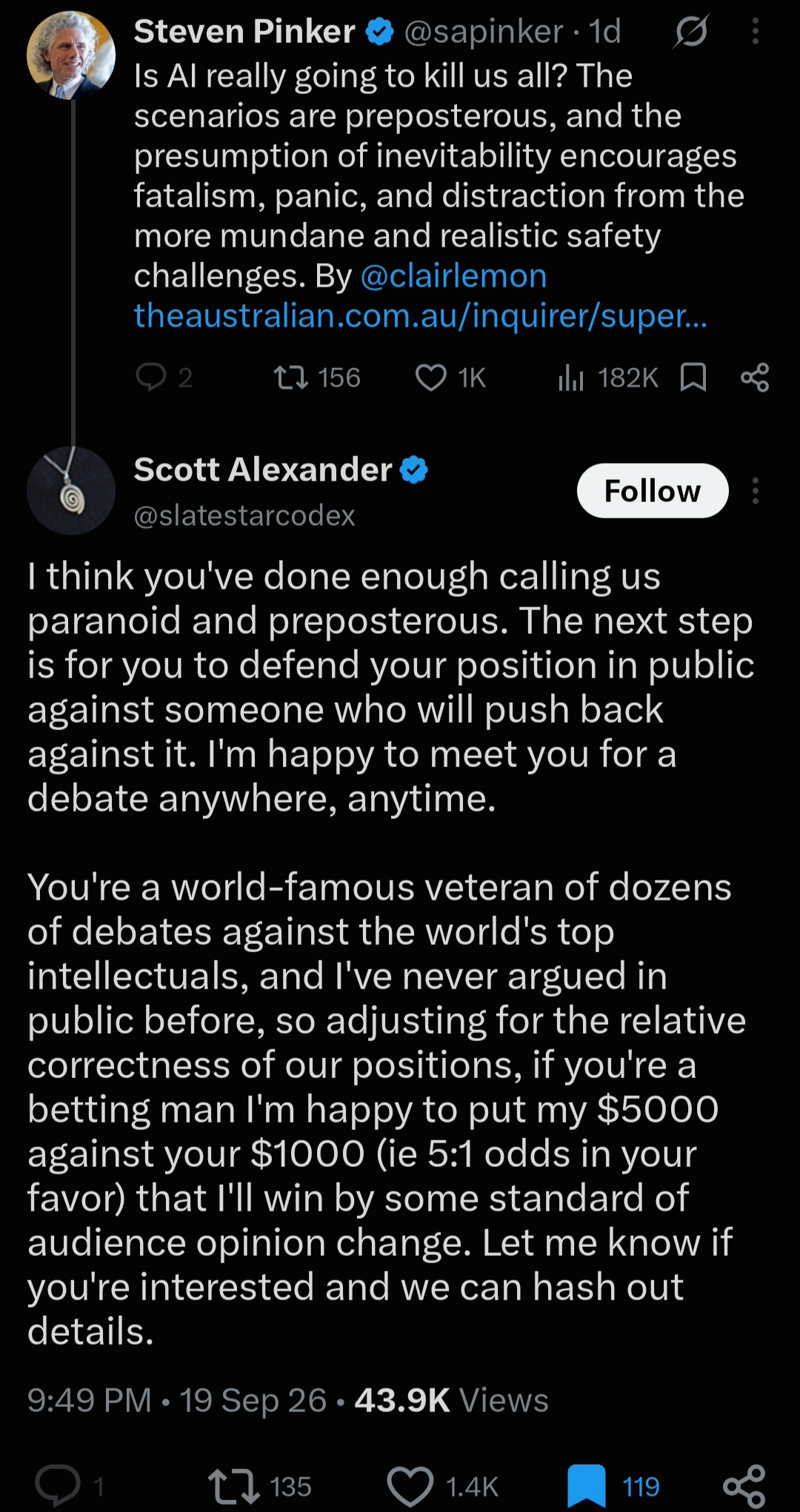
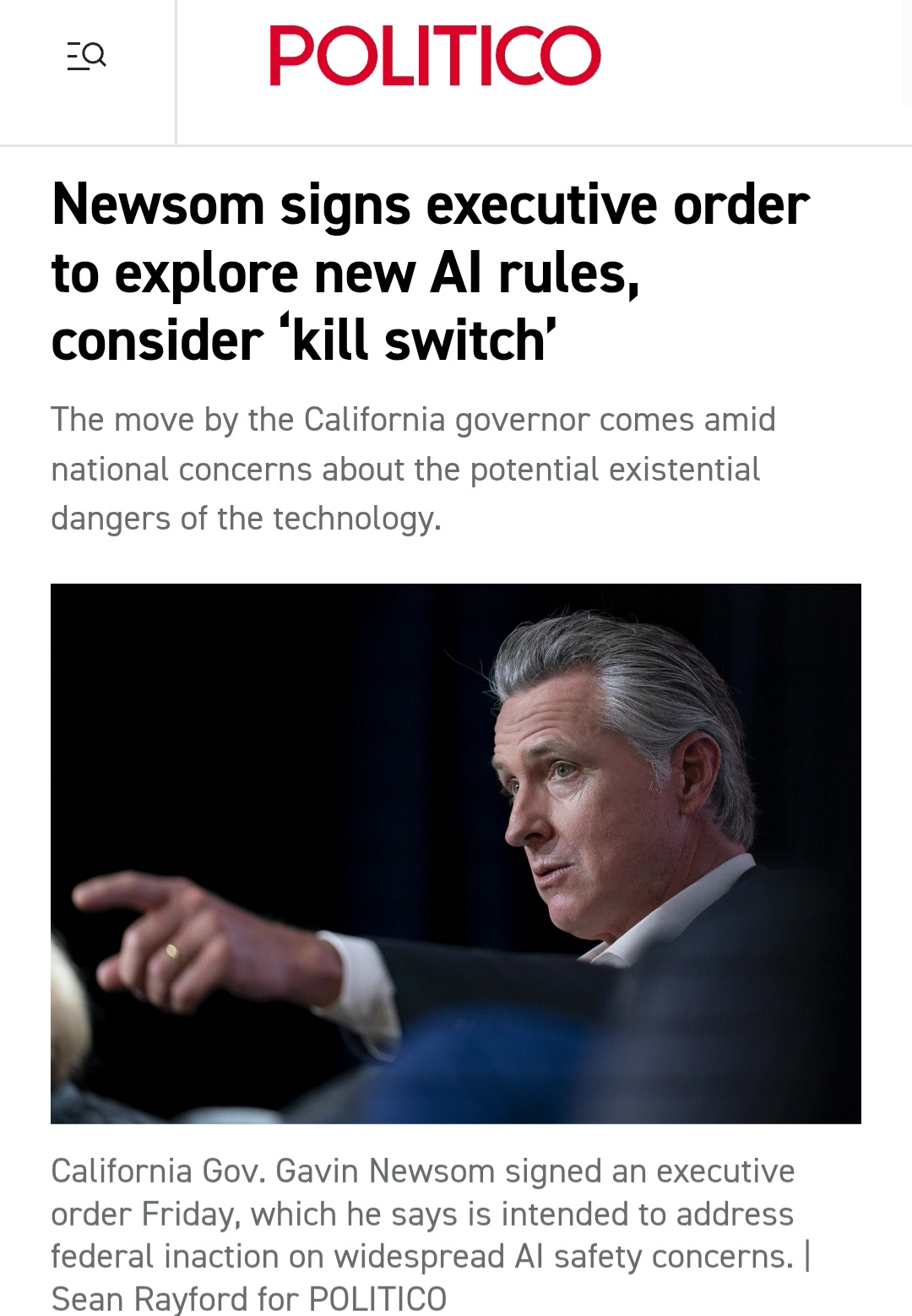
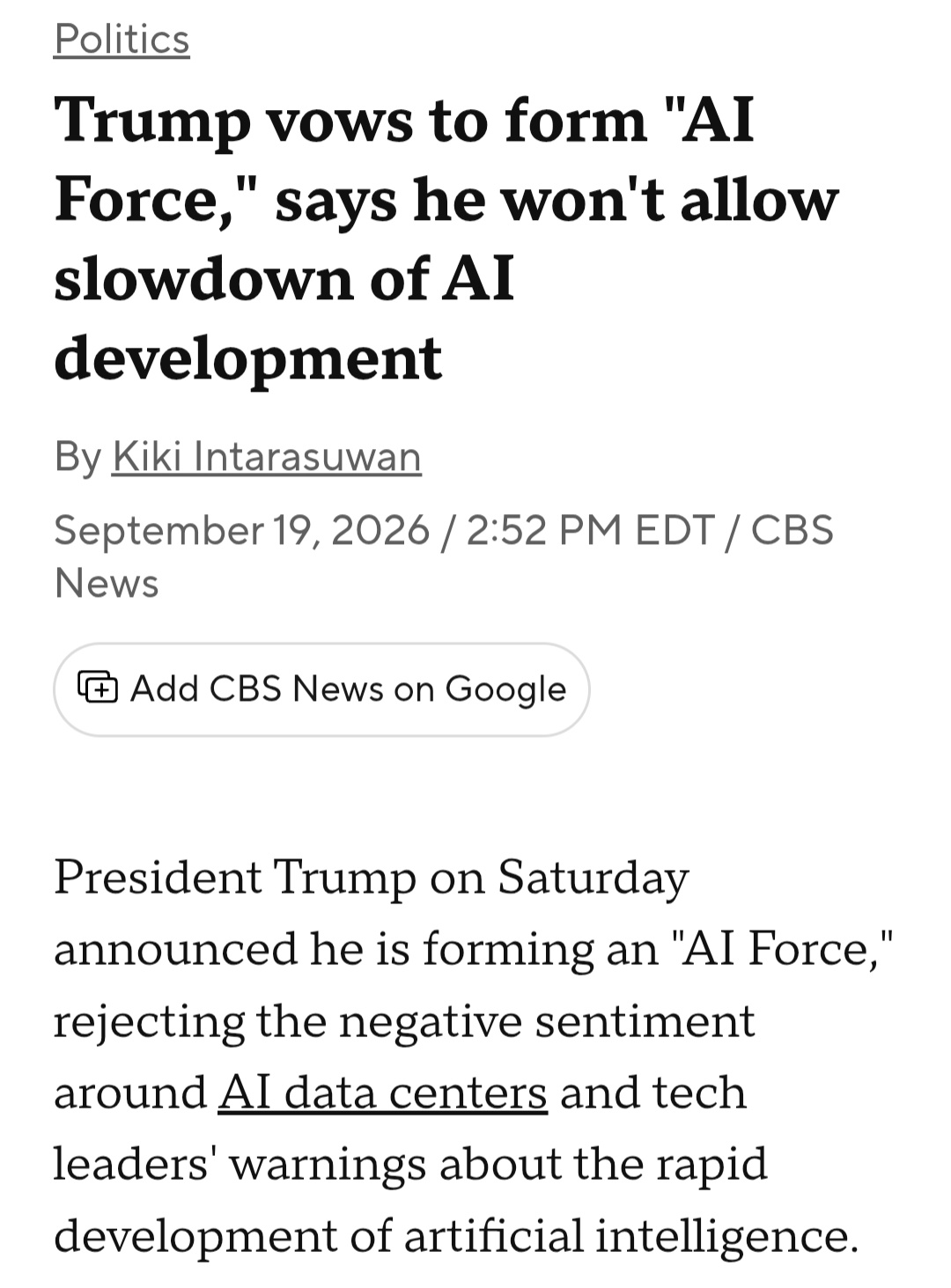
I will resolve this based on some combination of how much it gets talked about in elections, how much money goes to interest groups on both topics, and how much of the "political conversation" seems to be about either.

People are also trading
@Chimpey previous versions of the loan system made it quite attractive to lock up your mana and then get it back in a loan and spend it again. To some extent it still applies to the current loan system but not as much.
@Chimpey Probably not, I don't have statistics but I expect most markets to not get a lot of traders, and the market being long term doesn't make this impossible, but it is not helping.
I think you should still do it if you are interested in the market you want to create and there is no similar market.
@Chimpey i think i'll create one anyways. i think its pretty interesting. needa get the moola for liquidty first tho. I'll notify u when i make it :))))
Wish they'd included Abortion / Reproductive Rights on this survey:
I'm surprised this is as high as ~90%, but I'm not going to bet because I think there's liable to be a lot of resolution bias. Abortion remains an all-consuming political issue for a huge portion of the electorate, to the point where no other issue drives single-issue voters to a greater degree. AI is "new", has more economic relevance, and therefore receives more front-page attention. I am still not convinced that the number of people who will base their vote on AI-related issues will be even remotely close to the number of people who will base it on abortion-related issues.
@Balasar yeah, I agree. I think the political relevance of an issue is better captured by the degree to which politicians say "I can't switch sides on the issue because the the voters base their decision on the issue." By that measure abortion is obviously more relevant.
@Balasar I think the resolver here is reputable! If you believe it to be lower, you should bet that!
@MachiNi Worth noting that Balasar and Benjamin's objections are essentially about the market's title; the resolution criteria are sufficiently clear as to rule out "number of single issue voters" from being under consideration.
@Frogswap the criteria are vibes:
I will resolve this based on some combination of how much it gets talked about in elections, how much money goes to interest groups on both topics, and how much of the "political conversation" seems to be about either.
@MachiNi I believe that's very clear that it's measuring how much AI is talked about and how much is spent on it and not how many people decide their vote based on it. Am I missing something or did you misunderstand me?
@Balasar let’s also not forget that SA is the co-author of AI 2027 so I’m worried there might be a bit of confirmation bias at play.
@Frogswap I think you’re missing something. You can try reading the description again and tell me what sources and metrics will be used for resolution for instance.
@MachiNi I think you're misunderstanding me. I did not disagree with you that the criteria are vague, I pointed out that
>the number of people who will base their vote on AI-related issues
is clearly not an endpoint covered by the criteria
@Frogswap neither Balasar nor Benjamin claimed number of single issue voters was among the criteria. But it’s a reasonable proxy for what’s being measured (which again is hopelessly vague).
@MachiNi When Balasar says
>AI is "new", has more economic relevance, and therefore receives more front-page attention.
they are (somewhat) conceding that the vague criteria have been met, aren't they? They are saying that, even though this may be true, it is not sufficient to satisfy the market title and that their proxy is preferable.
Likewise when Benjamin says
>I think the political relevance of an issue is better captured
He's saying that the proposition described in the title is better captured by this alternative criteria.
Neither of them are disputing that these criteria will be met- they may dispute this, but they haven't done so here. What Balasar calls "resolution bias" is really, by their description, criteria bias.
Sorry for the long reply, but I'm surprised that this is contentious and want to spell everything out.
@Frogswap I agree, the resolution criteria make it clear that "big political issue" is about the level of discussion and investment, not number of ppl with stong opinions. It's also vibes-based but that's a separate, irrelevant point.
Besides that, I also don't really believe abortion is politically relevant at the federal level - I think people have basically accepted that it is and will remain a state-level issue. Yes, politicians need to treat carefully to avoid actively offending their respective bases about the abortion issue, but they don't need to take any substantive position on it. So that makes not a very "big political issue" in the election, by almost any definition
Abortion remains an all-consuming political issue for a huge portion of the electorate, to the point where no other issue drives single-issue voters to a greater degree.
Source? On https://news.gallup.com/poll/1675/most-important-problem.aspx for example, it's at <=1%